The Most Successful Coffee Maker UK Gurus Can Do Three Things
The Comprehensive Guide to Coffee Makers in the UK
Coffee has turned into one of the most cherished beverages across the globe, particularly in the UK. The nation, understood for its tea culture, has seen a significant rise in coffee consumption over the past couple of decades. As a result, the market for coffee makers has actually broadened rapidly. This article provides a thorough take a look at the various kinds of coffee machine available in the UK, elements to consider when choosing one, and answers to some frequently asked concerns.
Kinds Of Coffee Makers
There are several types of coffee makers readily available in the UK, each catering to various choices and developing designs. Below is a summary of the most popular types of coffee makers:
Coffee Maker Type
Description
Key Features
Drip Coffee Maker
A traditional alternative that uses a filter to brew coffee.
Programmable settings, big capability, easy to utilize.
French Press
A manual developing technique where coffee grounds high in boiling water.
Portable, no electrical power needed, abundant flavor.
Espresso Machine
Developed to brew strong and concentrated coffee by forcing warm water through coffee premises.
Variety of styles (semi-automatic, automatic, and so on), develops espresso shots, can froth milk for cappuccinos.
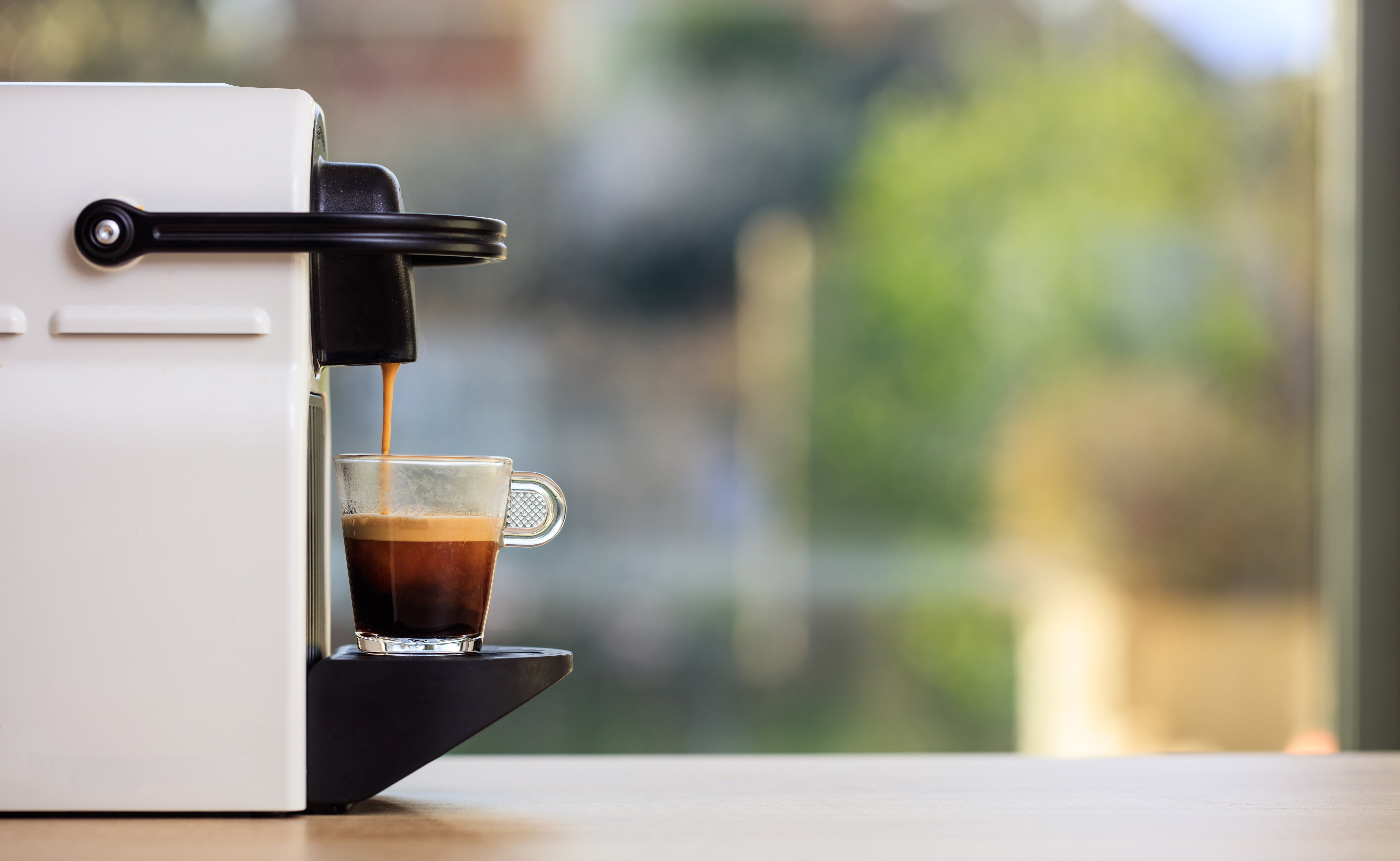
Single Serve Coffee Maker
Brews one cup of coffee at a time using pods or pills.
Hassle-free and quick, very little clean-up, limited taste variety.
Put Over Coffee Maker
A manual drip coffee maker that enables more control over water circulation and extraction time.
Greater flavor control, artisanal quality, needs more attention during brewing.
1. Drip Coffee Maker
Leak coffee makers remain popular due to their simplicity and the capability to brew multiple cups. Ideal for households or households with high coffee consumption, they typically include programmable settings, allowing users to wake up to freshly brewed coffee.
2. French Press
The French press is a preferred among coffee aficionados for its capability to produce a full-bodied brew. Users simply add coarse coffee grounds to the vessel, gather warm water, and let it high before pushing down the plunger. This technique improves the coffee's natural oils, leading to a rich flavor profile.
3. Espresso Machines
Espresso machines cater to those who appreciate high-strength coffee drinks. They allow users to create espresso shots, lattes, and cappuccinos, opening up a world of coffee possibilities. However, Nicolas Manokey require more understanding and practice to master.
4. Single Serve Coffee Makers
For those who are always on the go, single-serve machines provide a wonderful alternative. They use pre-packaged coffee pods to brew quick cups of coffee, making them a popular choice for busy individuals or those who drink coffee infrequently.
5. Pour Over Coffee Makers
Gaining appeal among coffee enthusiasts, put over coffee makers involve manually putting hot water over coffee premises in a steady motion. This technique offers users with supreme control over brewing time and water temperature level, permitting a personalized coffee experience.
Factors to Consider When Choosing a Coffee Maker
When considering which coffee maker to buy, a couple of important factors should be kept in mind:
- Brewing Capacity: How lots of cups does one requirement to brew simultaneously?
- Kind of Coffee: Preference for espresso, filter coffee, or specialized drinks.
- Alleviate of Use: How complex is the machine to operate? Consider the upkeep as well.
- Budget plan: Coffee makers are available at different cost points.
- Mobility: Is a small and portable coffee machine needed for travel?
- Design and Size: Will it fit well in the kitchen area space?
Advantages of Owning a Coffee Maker
Owning a coffee maker in the UK features numerous advantages:
- Convenience: Having coffee easily offered in the house eliminates the requirement for daily journeys to cafe.
- Cost-Effective: Over time, making coffee at home can conserve money compared to buying brewed coffee.
- Customisation: Users can explore different types and strengths of coffee based on individual preferences.
- Quality Control: Home brews enable quality oversight, ensuring that only the finest coffee beans are used.
Regularly Asked Questions
Q1: How do I tidy my coffee machine?
It's vital to clean your coffee maker frequently to ensure optimal performance and taste. A lot of drip coffee makers can be cleaned by running an option of equal parts water and vinegar through the machine, followed by a number of cycles of fresh water. For French presses, just rinse the plunger and glass with warm water and mild detergent.
Q2: What type of coffee grounds should I use?
The kind of coffee premises depends on the coffee maker in use. Great premises are suitable for espresso machines, while coarser premises work much better with French presses. For drip coffee makers, medium grind coffee is chosen.
Q3: Can I use regular coffee beans for my espresso machine?
Yes, you can utilize routine coffee beans in an espresso machine; nevertheless, it's suggested to use espresso-specific beans for a more authentic taste and experience.
Q4: How much caffeine remains in a cup of coffee brewed from a coffee maker?
The amount of caffeine can differ based upon the type of coffee, the brewing method, and the amount used. On average, an 8-ounce cup brewed in a coffee maker contains about 95 mg of caffeine.
As coffee culture continues to flower in the UK, selecting the right coffee machine is essential for coffee enthusiasts and newbies alike. From drip machines to espresso makers, a range of alternatives deal with diverse brewing choices. By thinking about personal needs, preferences, and the elements detailed above, people can find the ideal coffee machine to boost their day-to-day brewing experience. With the right machine, taking pleasure in quality coffee in the house is simpler than ever.